Water Pollution
Where does water pollution come from?
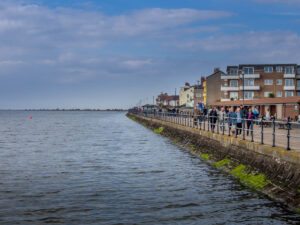
Sadly, there are many sources of water pollution affecting the Dee Estuary
coming from both land and sea.
Point source pollution is pollution from a single point such as sewage discharges into water courses, a known problem along both sides of the Dee Estuary.
Diffuse water pollution is created by contaminated run-off. This can be from agriculture, rural land management, industry, and domestic households.
Physical modification of a waterway such as culverts or gullies which mean the water course is not natural.
Misconnected pipes from domestic properties are a surprisingly common form of pollution. Appliances such as washing machines and pipework from bathrooms and kitchens are plumbed into surface water drains leading to grey water entering water bodies untreated.
A lack of maintenance of septic tanks and cesspits results in private sewage not being treated properly leading to sewage leaks and contamination of groundwater.
Finally, water running through disused mines dissolves chemicals into local water courses.
All wildlife relies upon clean water in the estuary
The many and varied species of wildlife that call the Dee Estuary home all have one thing in common. They are adaptable and resilient.
They have become accustomed to living in brackish water, a combination of salt and freshwater which can be challenging, especially during times of heavy rainfall or high tides.
Filter feeders like the Common cockle (Cerastoderma edule) and Sabellaria, a marine polychaete worm, are especially sensitive to pollutants in the water as when they are extracting tiny food particles out of the water column, they often extract microplastics and toxins too. These toxins build up in the body of the shellfish and when they are eaten by birds or fish the toxins are passed up the food chain where they continue to build up. This is known as bioaccumulation and is a very serious problem within aquatic ecosystems.