
January 2024 News
OUR DEE ESTUARY 2024
Welcome to the first Our Dee Estuary newsletter of 2024. This year we have lots of amazing projects and events planned and here is a sneak peek at a couple of them.
Flint Festival
Our Dee Estuary has been invited to attend a series of events for the Flint Festival which takes place in the town of Flint in Flintshire every year. This year we will be attending the Flint Fun Day on Saturday July 6th
and the RNLI Dog Show on Sunday July 7th just to name a few. Our staff and volunteers will be at Rock The Castle on the Saturday the 13th and Sunday the 14th of July helping to keep the site clear by litterpicking. If you would like to help us with any of these do get in touch!
If you know of any other events taking place on the Welsh side of the estuary that we can attend, please let us know about them!
But before our jam-packed summer program starts, we haven’t forgotten about winter!
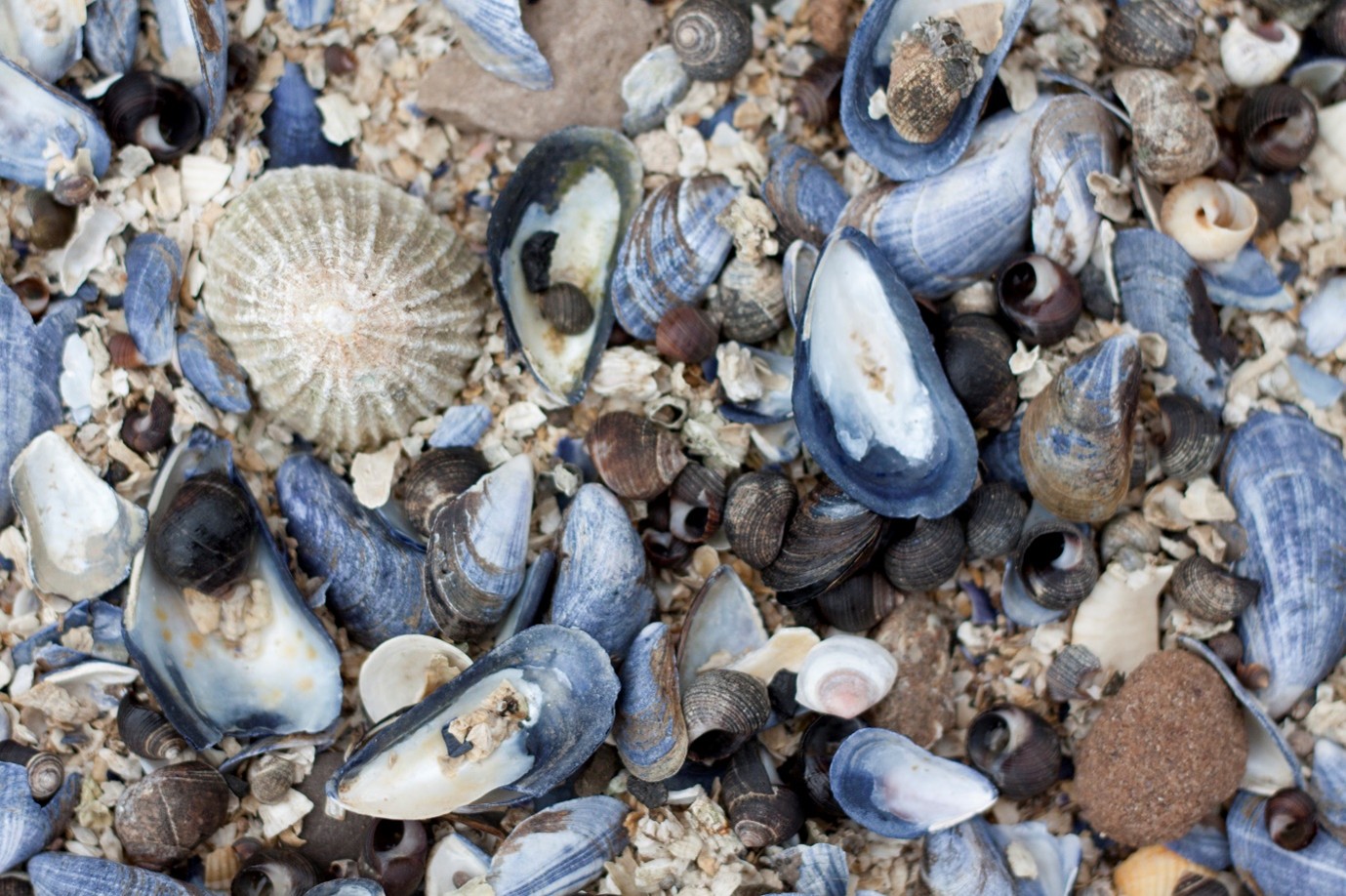
Shoresearch
We will be getting out on the beach in February, running two Shoresearch events. The first at Talacre Beach in Flintshire and the second at Thurstaston Beach on the Wirral. Please keep an eye on our social media for when tickets go on sale. Not on Facebook? Don’t worry the events will be linked in these newsletters too. You can book onto the Talacre session at the bottom of this newsletter.
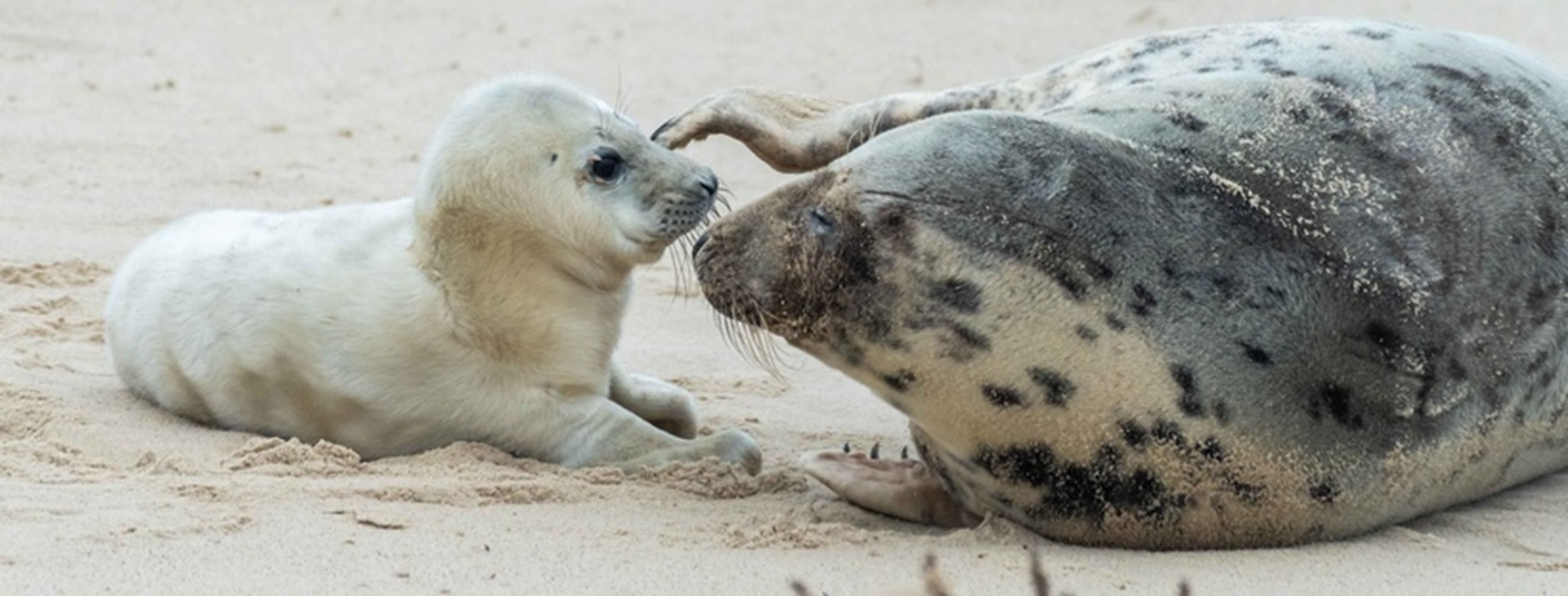
We were very excited to be featured in the 2023 National Marine Review, a collection of all the fantastic marine and coastal conservation work being done by The Wildlife Trust’s across the UK and the Isle of Man.
Together with fellow Wildlife Trusts in the North West, we are committed to helping marine life thrive in the Irish Sea.
Here are some highlights from the Our Dee Estuary team:
🌊 10ha of previously fire damaged reedbed and saltmarsh is now protected and improved for wildlife such as kingfishers and marsh harriers.
🌊 1ha of new wetland scrape habitat has been created for wading birds and waterfowl such as avocet and lapwings.
🌊 70 water quality surveys have been carried out by citizen science volunteers.
🌊 Over 900 people have engaged with us at public events, wellbeing with nature sessions and volunteering opportunities.
🌊 200 sea holly plants were returned at Red Rocks Nature Reserve for grayling butterflies.
🌊 200 natterjack toadlets emerged from breeding ponds at Red Rocks Nature Reserve.
🌊 46 individuals from partner organisations working together to develop a Dee Estuary Coastal partnership.
Hannah Phillips, Our Dee Estuary Project Manager says:
“The natterjack toad population at Red Rocks Nature Reserve is something that the Trust and local communities are really proud of. As the only remaining population in Cheshire, we are committed to monitoring, raising awareness and protecting them. As our coastal areas become more developed and competition for space increases it is more important than ever that we are championing for this species, creating opportunities for them to expand and find new strongholds along the Dee Estuary coastline.
“We’re really grateful to our hard-working volunteers and local communities for enabling us to protect special wildlife like natterjack toads and special places along the Dee Estuary. We’re looking forward to working with more local residents, groups and visitors of all ages in 2024”.

IMPROVING RED ROCKS NATURE RESERVE FOR WILDLIFE AND PEOPLE
Sand dune works at Red Rocks.
At the start of January Our Dee Estuary, Cheshire Wildlife Trust and Royal Liverpool Golf Club undertook some work to improve habitat at Red Rocks Nature Reserve, under licence from Natural England. Vegetation on the sand dunes is becoming too dense and scrubby to support threatened species including natterjack toads and grayling butterfly. Work has included removing trees and invasive species, creating new areas of open sand, cutting reed beds and clearing the natterjack toad breeding ponds. This will be the start of what we hope will become an annual programme of maintenance on this site to keep it in tip top shape for people and wildlife using it.
Why is this necessary?
Sand dunes are a natural habitat, but various factors are threatening that habitat. Sand dunes, including those at Red Rocks used to be a dynamic habitat, kept fresh and mobile by large grazing animals. Now the vegetation is becoming old and dense, and there is much less bare sand available for the animals that need it. The work we are doing at Red Rocks includes removal of invasive non-native plants such as brambles and roses. This will allow the sand to move more freely as it should do in a dynamic sand dune system. It will also open up space for native sand dune plants such as sea holly to colonies the area which is a really important plant for the endangered grayling butterfly which can be found on the reserve.
What if we do nothing?
The coastal environment has always been very dynamic with erosion and deposition of sediment creating a constantly transitioning landscape. As new marshes and dunes are formed in one area, others will be eroded, and the sediment returned to be carried on the tides. As the coastal habitats migrate along the coastline the species would move with them. Due to human development and encroachment, we are now experiencing the effects of coastal squeeze, meaning that there is less space available for this dynamic process to take place. This means that we need to intervene to maintain these habitats in the right state to support the wildlife that has evolved within and adapted to it. If left, over time this area would become over stabilised and transition into dense scrub and then woodland causing us to lose the reedbed and sand dune specialist species reliant on this reserve
DEE ESTUARY VOLUNTARY WARDENS
Dee Estuary Voluntary Wardens (DEVW)
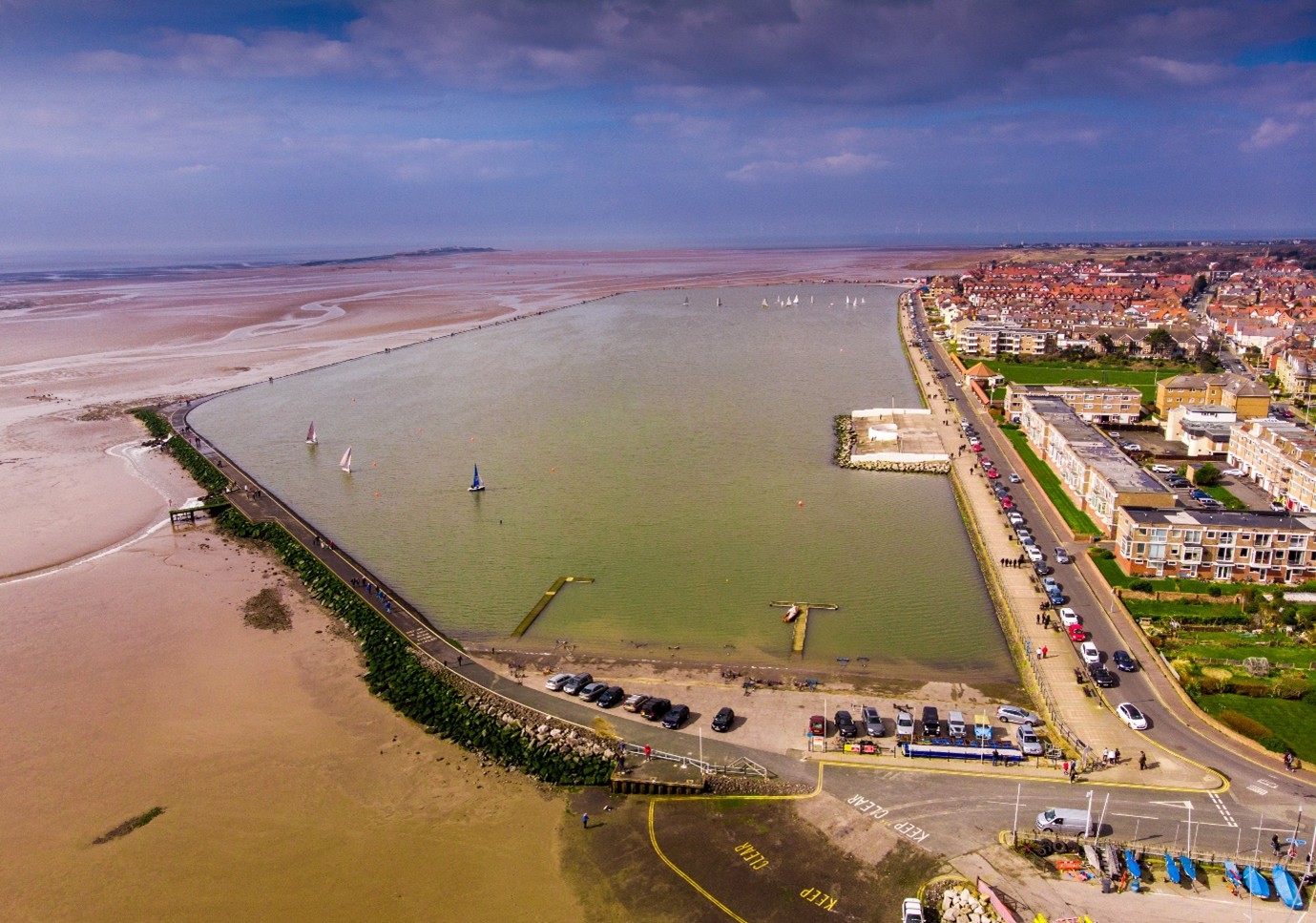
Nearly half a century ago, data on winter waders started to be collected at every single high tide over 8.7m along the shores of West Kirby. This data is collected by a group of remarkable people who all share the same aim of protecting wader roosts at West Kirby; these people are volunteer wardens. They are the Dee Estuary Voluntary Wardens which was created back in 1986 by Wirral Borough Council at the request of English Nature, the predecessor to Natural England, due to the developments of the marine lake in the area. The data that has been collected here, spanning 48 years, makes West Kirby an incredibly well documented stretch of English shoreline with a wealth of information that is useful for research purposes – the data is openly available through Liverpool Museum and University of Liverpool.
Do you fancy getting involved?
DEVW are looking for new recruits! If you could give just 3 hours a month it would be a massive help.
Wardens are required to be on the beach at any tide above 8.7m between September and March for around 3 hours at a time. These tides are anticipated only a handful of times a month. A rota system is created so it is likely you would be asked to be on the beach around once a month.
What would you be doing?
- Actively monitoring the roosting waders by counting numbers and species.
- Showing the birds to any interested passers by.
- Helping to alleviate disturbance to the wading bird roosts.
If you’re interested in the work of DEVW and want to become involved or learn more, feel free to contact them:
Wirral Coastal Rangers – wcp@wirral.gov.uk or
Wirral council ranger, Matt Thomas on mattthomas@wirral.gov.uk
Photo Credits: Tom Marshall (Wildnet), Thinesh Thirugnanasampanthar (Wildnet), The Royal Liverpool Golf Course, Paul Steele – Bald Hiker.


