

Meet the Verinal Mining Bee
In Britain we have around 270 species of bee and it might surprise you to know that just under 250 of those are solitary bees.
One species that you can see right here on the Dee Estuary is the Vernal mining bee (Colletes cunicularius).
Dave Costello, the Conservation Officer for the Cheshire & Wirral Branch of Butterfly Conservation Society, took this photo of a group of Vernal mining bees, also known as Spring mining bees, Spring colletes and Vernal colletes, at Cheshire Wildlife Trust’s Red Rocks Nature Reserve last April.
This is a solitary bee however you may see them in groups as they gather around areas of prime habitat of exposed sandy banks that are suitable for them to tunnel into and lay their eggs.
Their preferred food plant is the Creeping Willow (Salix repens) as well as other Salix species and Dandelions.
As the name suggests they are an early bee with a flight period of the beginning of March to the end of May so get down to Red Rocks and listen out for the soft buzzing of these busy creatures, but watch your step!
Championing Coastal Coordination (3CS)
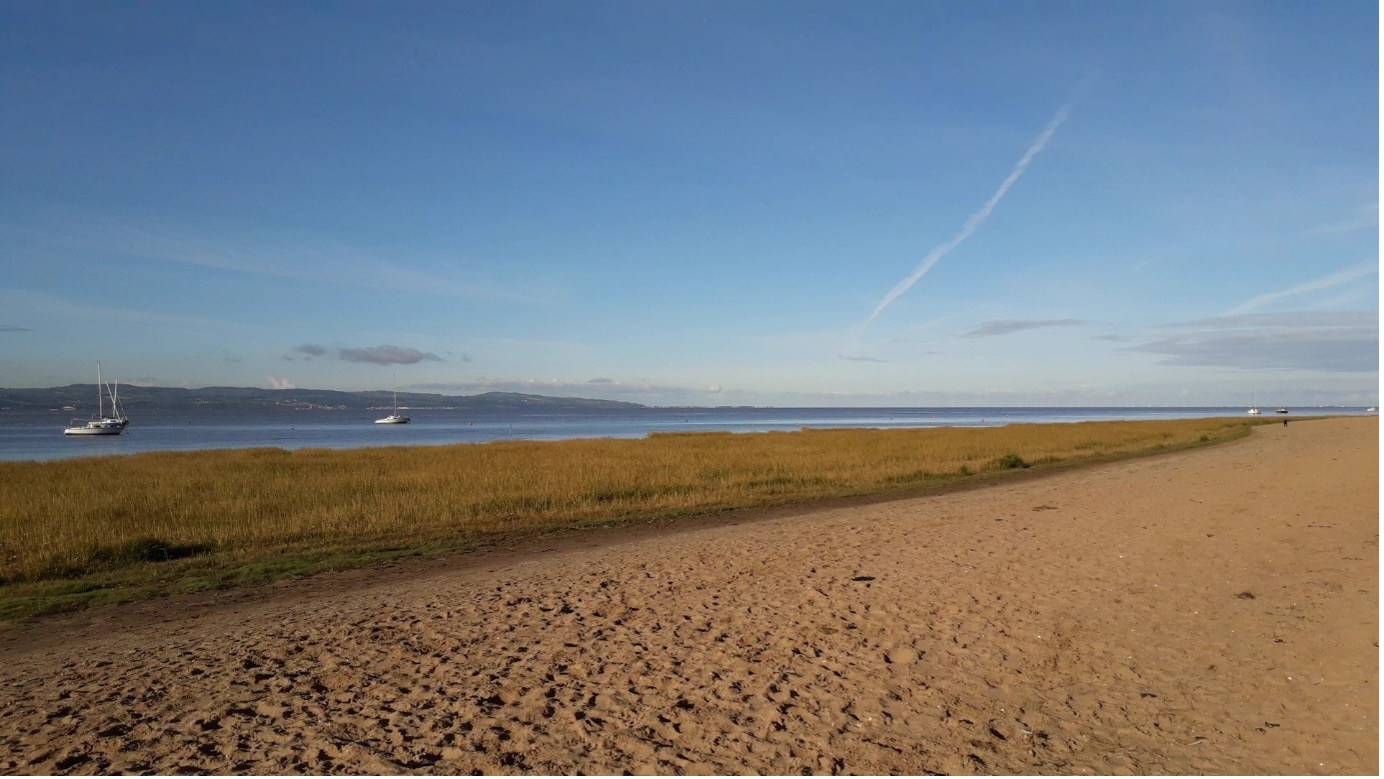
We are pleased to announce that the team have secured funding from the Championing Coastal Coordination initiative (3Cs). This is a programme of work that is being led by the Environment Agency with support from Natural England, the Marine Management Organisation (MMO) and the Association of Inshore Fisheries and Conservation Authorities (IFCAs). It is a collaboration seeking to enhance and progress coordination for coastal sustainability and resilience.
This will be used to develop a mechanism that will improve collaboration across borders and deliver integrated coastal zone management, with the aims to:
- Restore habitats and remove threats to the estuary.
- Improve the governance of the estuary, better connecting decision-makers and stakeholders across sectors through a cross border strategic partnership, so that it is managed as one landscape and its ecosystem services are recognised and enhanced.
- Improve stewardship of the estuary, spanning sectors and engaging at a range of levels to strengthen capacity and capability.
This will function as a coastal based approach working to bridge the gaps between terrestrial and marine planning and policy. This will support the legacy and impact of the Our Dee Estuary partnership project approach beyond its funded lifespan.
If you have any questions about our governance work or 3Cs then please get in touch.
History and Natural Heritage of the Dee Estuary
One of our more unique volunteer roles here at Our Dee Estuary is that of our history and natural heritage volunteers. This role was developed to support the Communications and Campaigns Officer in their task of researching the history and natural heritage of the Dee Estuary for use in communicating the Dee Estuary at events and via social media and a new website, that is currently under construction.
The volunteers come from a diverse range of backgrounds so the topics being researched range from local infrastructure and industry to historical sites and landmarks and the history of literature in the area.
We are really excited to start sharing some of the volunteers’ findings with you and hope to make history and natural heritage a regular feature in the newsletter and on social media.
Flint Castle
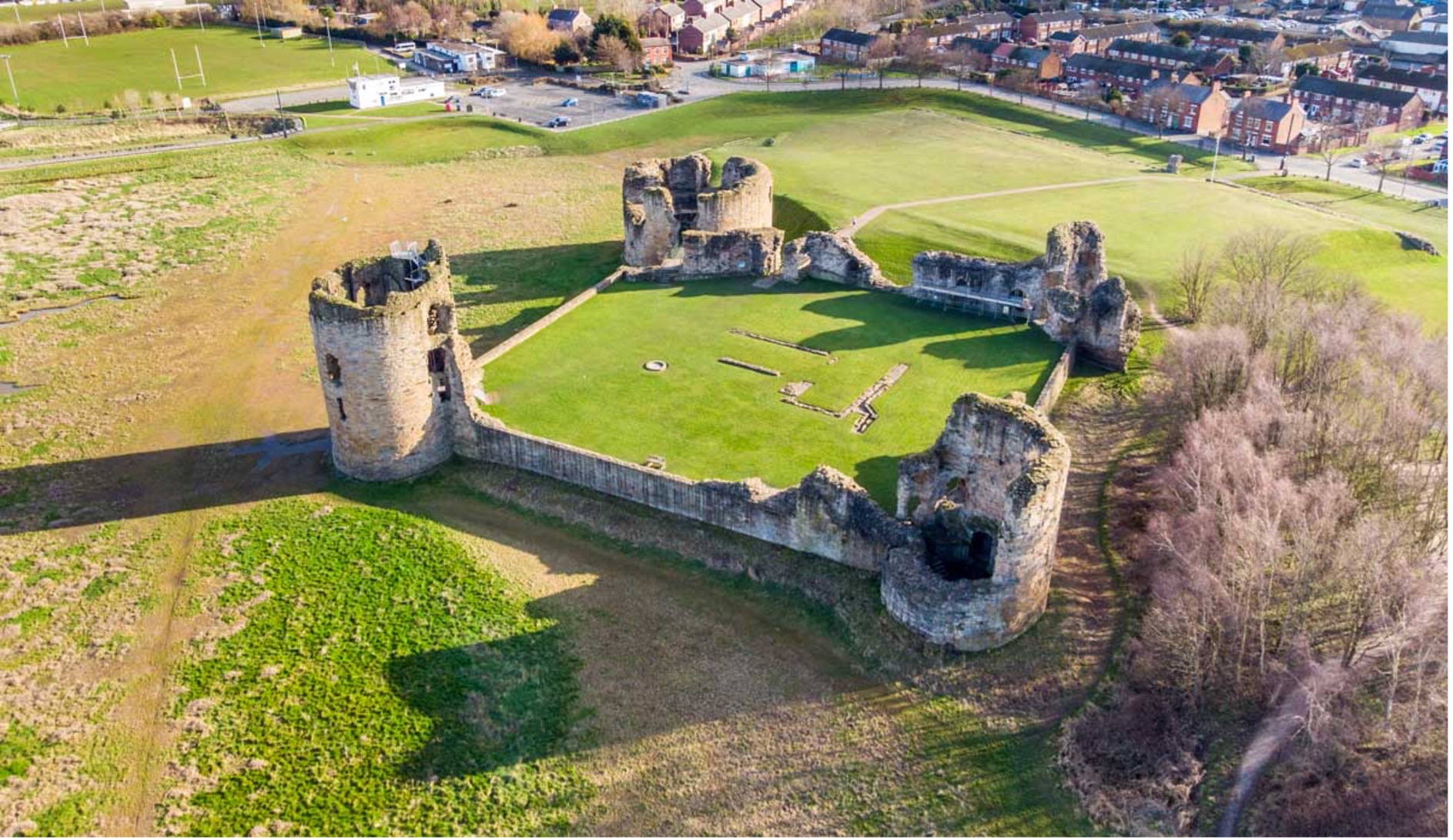
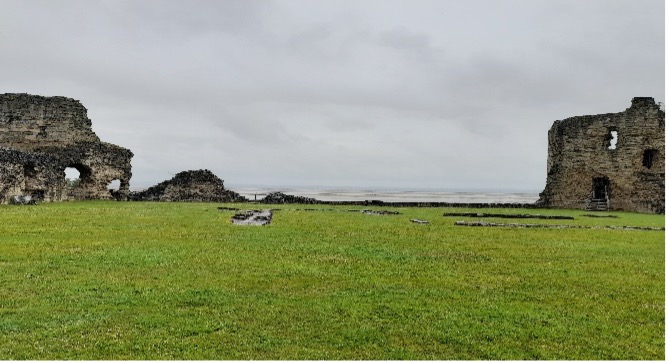
With its commanding views over the Dee Estuary features of Flint Marsh and Flint Point, the Castle boasts a rich history of warfare and conflict and now provides an insight into innovative medieval architecture and is a popular destination for birdwatchers.

Deux Amis
The Deux Amis ran aground at Llinegar between Mostyn and Talacre in January 1779. Thirty-two members of the forty-two strong crew were lost and despite the efforts of the local landowners, led by Sir Roger Mostyn on whose land the wreck ran aground, there was much looting of the cargo.

Neston Earth Festival
On the 23rd of April we attended the Neston Earth Festival at the Neston Community Youth Centre (NCYC). This was a fantastic event organised by the Neston Earth Group. The day was filled with music, good food, and interactive activities. Attendees were able to learn more about the actions they can take to protect and support wildlife and wild places as well as supporting local and sustainable businesses.
We used the day to highlight the 120,000+ wading birds that use the estuary as a migratory stopover every year and the actions that everyone can take when out and about to reduce the risk of disturbance to the birds feeding, roosting and breeding. Children were able to interact with a ball pit activity in which they had to dig out the hidden worms using a pair of tongs (beak!) against the clock, many children commented that it was exhausting and must be hard work for birds feeding all day. Several dog owning families commented on how they were aware of wildlife whilst walking them but were surprised to hear that birds may be nesting or roosting in the upper parts of beaches or in grasses and were keen to make more effort to avoid disturbing them, by being more aware of their surroundings and paying attention to tide times before heading out.
Many people spoken to had a strong connection with the estuary already. One man reminisced about exploring the mudflats as a child and how quickly the tide can come in., he also commented on the ever changing, dynamic landscape. There was a general keenness to understand more about the wildlife and wading birds that use the estuary. One lady commented that “you don’t always appreciate it when it is right on your doorstep”.
Photo Credits: Dave Costello, Sarah Bennett, Paul Steele – Bald Hiker, Emily Lake, Zaria Shreef.


