
June 2023
PLANTING SEA-HOLLY AT RED ROCKS NATURE RESERVE
On the 11th of May, the Our Dee Estuary team and 2 of our dedicated citizen science volunteers were joined by staff from Chester Zoo to plant out our Red Rocks Nature Reserve with Sea-Holly (pictured above). This member of the Thistle family is the favourite food plant of the adult Grayling Butterfly, one of our key species at Red Rocks.
Staff from the Horticulture team were joined by a member of their communications team to capture the big event and by Helen Bradshaw who is the zoo’s Field Programs Coordinator for the UK and Europe.
The zoo had propagated and nurtured 250 sea-holly plants for us and we managed to get them all planted into the sand dunes in just over an hour and in time for them to get rained in as it began to pour down as we were packing up.
We are hoping to continue our work with the zoo and sea-holly next year so that the Grayling Butterfly will have plenty of food for years to come.


CHESTER HERITAGE FESTIVAL 2023
The Chester Heritage Festival begins this weekend and runs until the 28th of June.
There are a number of events about our blue spaces including the river and the estuary.
Check out the events below. Please be mindful that some are free, others are paid for and require you to pre-book a place.
HISTORY AND NATURAL HERITAGE OF THE DEE ESTUARY
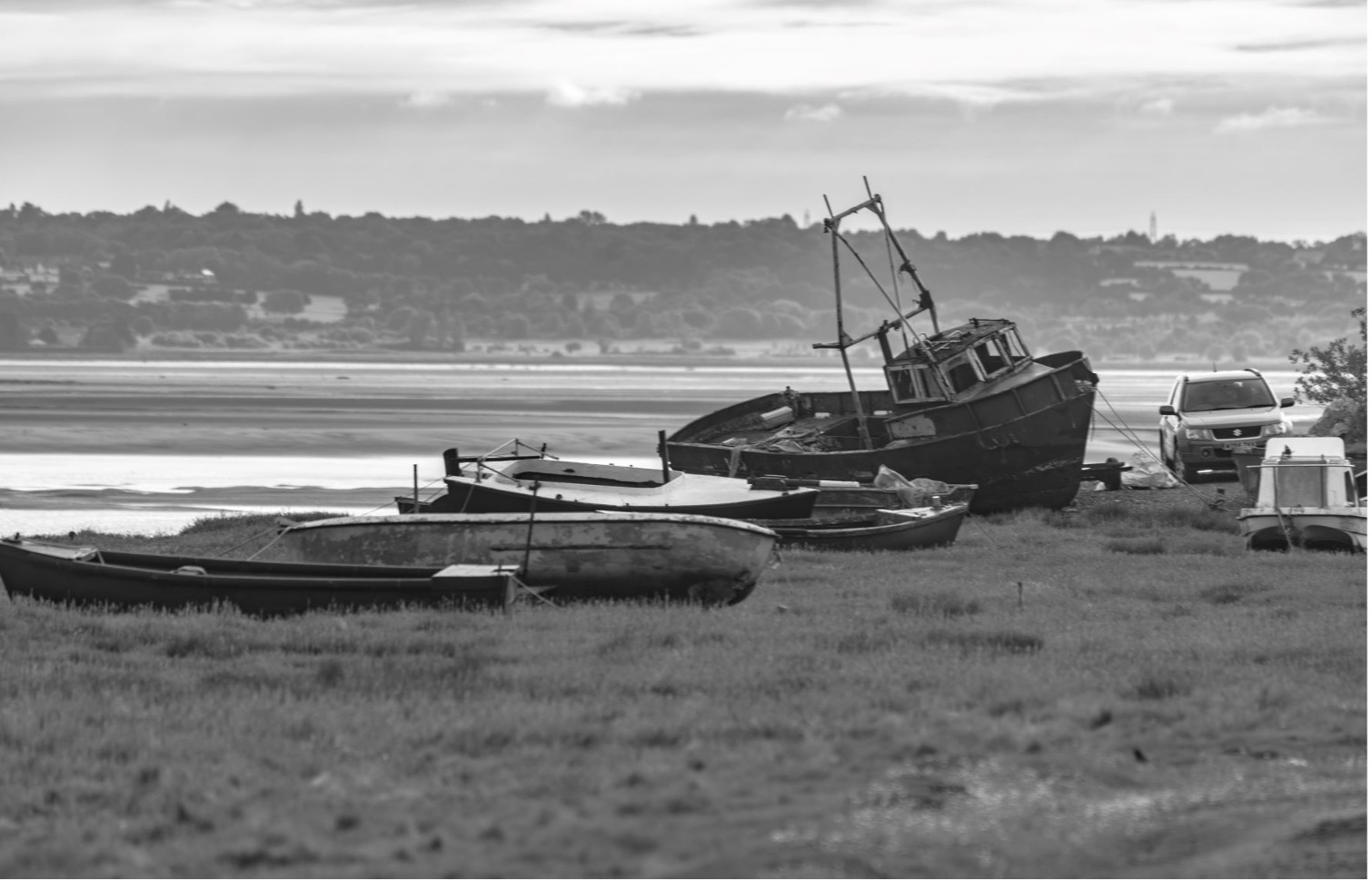
Emily, our Communications and Campaigns Officer, is getting more and more interesting information coming in from her History and Natural Heritage volunteers.
Check out some of the highlights below. We will also be sharing content on social media so follow us for more history and heritage!
Crossing the Dee
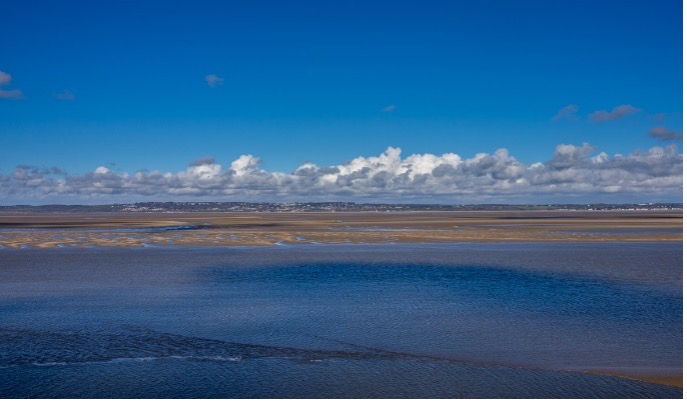
There has always been a need for people to cross the Dee Estuary. Today we are familiar with road crossings at Connah’s Quay, Queensferry and Chester, but they have not always been there.
There are accounts from the early 1700s of guided foot crossings used particularly by salt traders. The route involved following the tideline from Flint to a point between Kelsterton and Golftyn. From there the crossing would be made heading towards the Greyhound Inn at Shotwick. The route could not always be the same because the sand and mud terrain would shift with successive tides.
Following the passing of the Dee Navigation Act in 1732, two ferry crossings were established in 1737. The Higher Ferry at Saltney was for passengers and the Lower Ferry at what is now Queensferry took vehicles and animals.
Lifeboats on the Dee
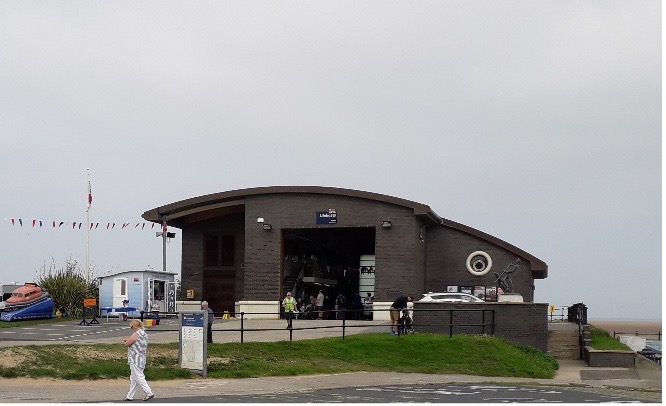
Today, Lifeboat services for the Dee Estuary are provided by the RNLI stations at Rhyl and Hoylake, but this has not always been the case.
From 1826, and possibly earlier, until 1923 there was a lifeboat located at Point Of Ayr. Nothing remains of the station today but its position was included n the Ordnance Survey Map of 1898. The station was established by the Liverpool Docks Trust and taken over by the RNLI in 1894.
Over the years the volunteers manning the boat saved hundreds of lives. In 1868 alone, according to records at Liverpool University the lifeboat was called out no fewer than seven times.
DEE FLOWS DAY
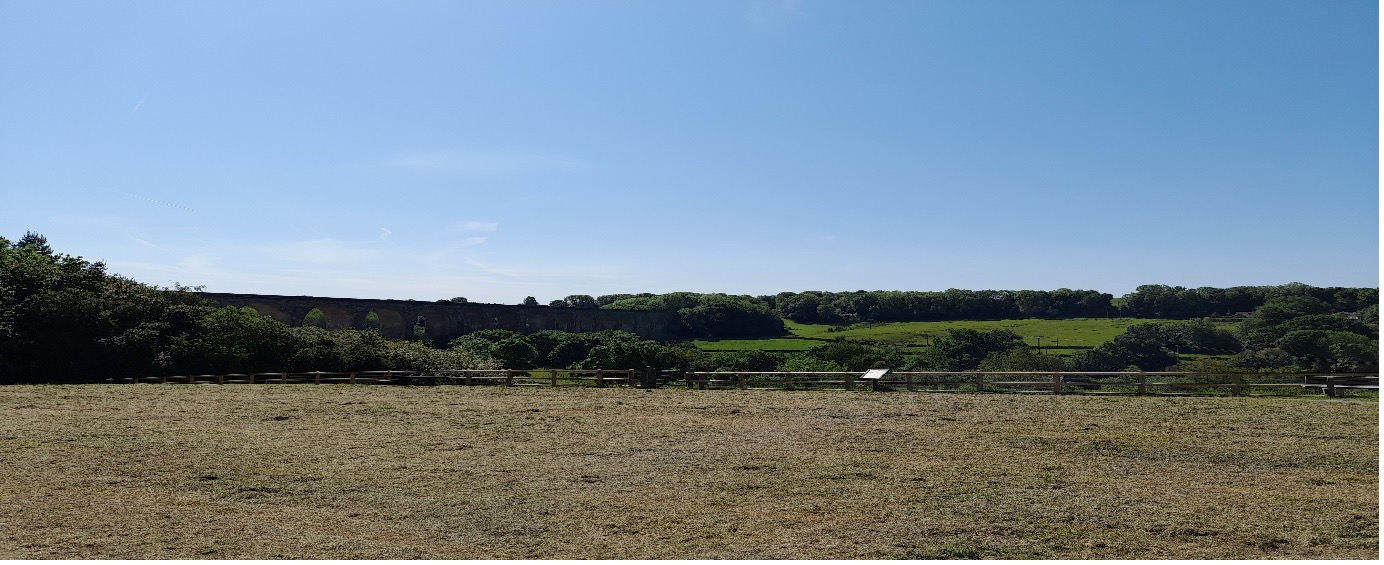
On the 27th of May Emily attended the first biannual Dee Flows Day at Ty Mawr Country Park in Wrexham. This event was put on by The Welsh Dee Trust as World Fish Migration Day is only every 2 years so they wanted to hold an event this year that celebrated fish migration and the different parts of the Dee Catchment.
Emily chatted to people about our work on the estuary, the wildlife they could see when they visit our coasts and what they can do to help the local water environment, it’s wildlife and habitats.
A big thank you to Maddy and the team at The Welsh Dee Trust.
Photo Credits: Emily Lake, Jeff Poulton, Robin Rowe, Margret Holland, Paul Steele – Bald Hiker, Sarah Bennett


