
We've been busy on the Dee Estuary
The Our Dee Estuary team have a few things to update you on in this newsletter as well as more information about groups and activities that you can get involved in once our project comes to an end in June 2025.

An update from Red Rocks Nature Reserve
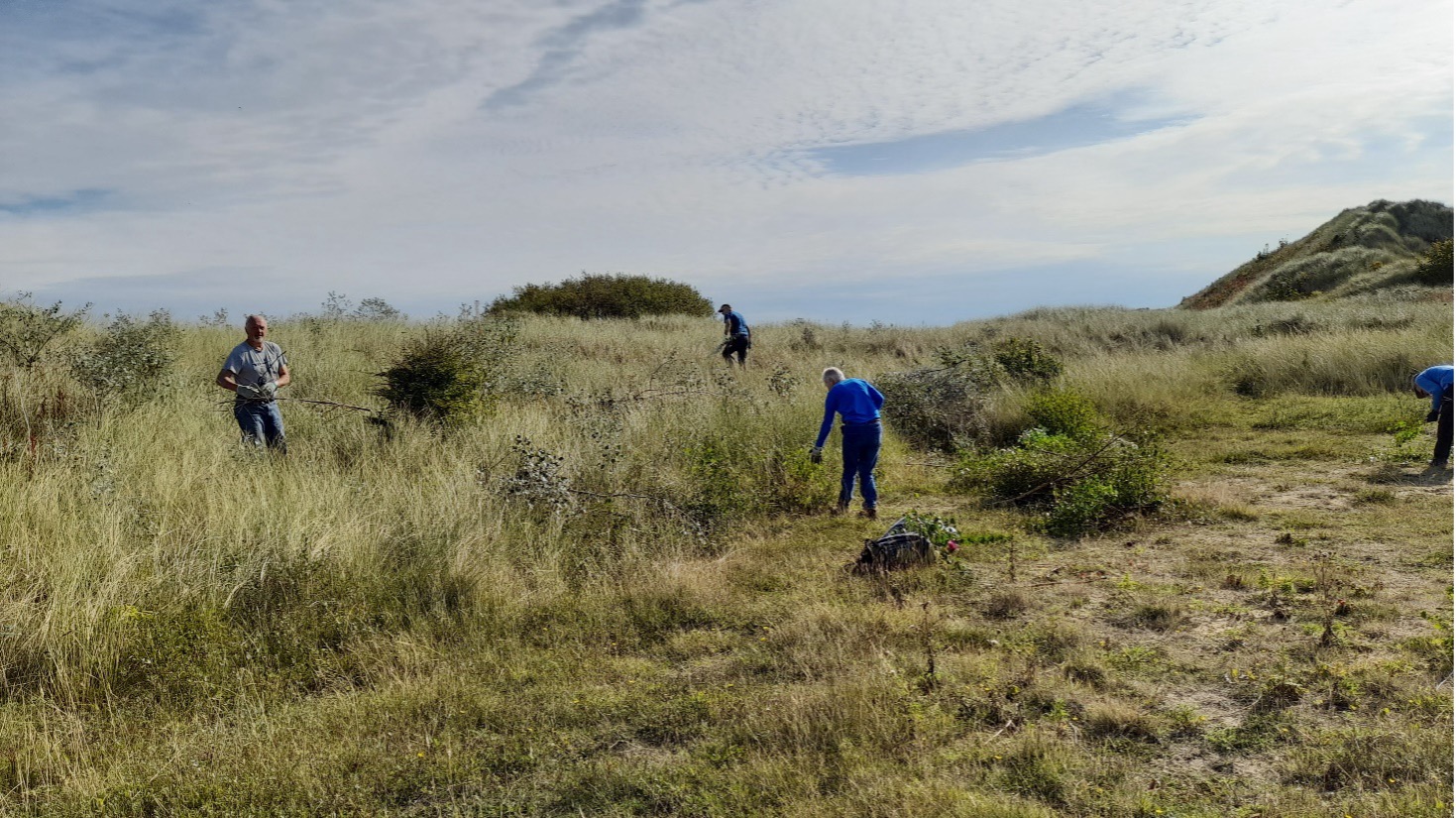
With the recent spell of dry and unseasonably warm weather, Red Rocks Nature Reserve on the Wirral is facing increased fire risks, especially due to anti-social behaviour such as littering and the use of disposable barbecues. These actions pose a serious threat to our fragile dune habitats. If you see a fire or anyone acting irresponsibly, please call Merseyside Fire & Rescue Service immediately on 999. If it’s not an emergency, you can report issues at Red Rocks to local police on 101. The area is also patrolled by Wirral Council rangers, and you can report non-emergency concerns to Wirral Council.
Despite the weather challenges, wildlife monitoring at the reserve has kicked off strong. Butterfly surveys show a strong start to the season, helped by the sunny weather. Meanwhile, our natterjack toad surveys have recorded up to 41 adults in a single evening, great news for a rare species. However, the continued dry spell may impact their breeding success, as ponds begin to dry out earlier than usual. We’ll be keeping a close eye on both species and updating you with new findings throughout the summer.
Filming at Red Rocks Nature Reserve
You might have seen an email that went out a few weeks ago inviting you to come and join a filmed natterjack toad spawn survey at Red Rocks. The filming was for a new show for Channel 5 called Coastal Britain. Emily, our Senior Project Officer and Howard, a Trustee from Amphibian and Reptile Conservation, showed host Helen Skelton around Red Rocks and she joined us for a daytime spawn survey and a nighttime adult toad survey. The show will go to air in late June / early July so keep an eye out for us on your TV screens very soon.
Local volunteer groups in need of your help!
We have some more groups to tell you about that need more volunteers. We are expanding our range to cover the Mersey Estuary in this section as Cheshire Wildlife Trust work in the area and there are other organisations that need your help there too.
Cleaver Heath Nature Reserve
Cleaver Heath Nature Reserve is part of the larger Heswall Dales SSSI which is awarded for the conservation of the lowland heath habitat. The reserve is approximately 3.3 hectares and consists in general of a large central block of lowland heath bordered by semi-natural woodland.
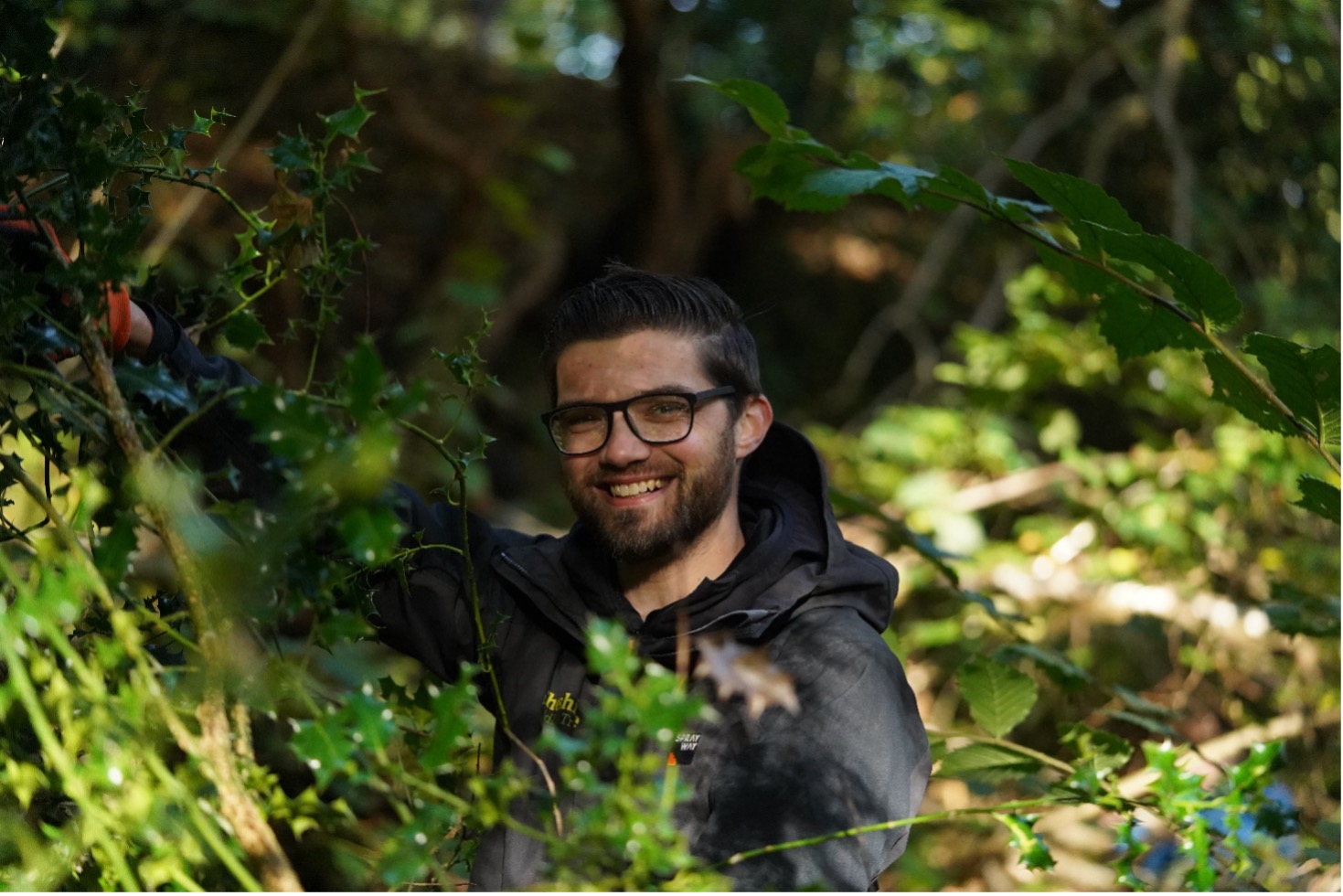
The majority of practical works on the site take place over the autumn and winter months, carried out by staff, contractors, and a dedicated team of volunteers who have regular events to maintain the reserve. During autumn and winter the work mainly consists of scrub control which involves removing species such as birch from the heathland blocks which have seeded from the surrounding woodland. If this task wasn’t carried out then the heathland would eventually progress into woodland and the heathland specialist species would be lost.
We use the winter months to tackle invasive non-native species such as rhododendron. Because the reserve is surrounded by residential areas, this common garden plant spreads quickly and soon outcompetes native species. Staff and volunteers remove the rhododendron regularly to prevent it becoming established on site.
We also have a cutting cycle in place for our heather. This might seem counter intuitive when we are protecting lowland heath, but by using the cutting plan we establish a greater variety of age structure of the heather across the site, improving the long-term health of the heathland. The cut areas also offer open bare ground before they start to regenerate which is fantastic for a range of invertebrate and lizard species.
As spring and summer roll around, the practical works on site reduce a lot due to bird nesting season, however this allows us to carry out infrastructure works such as path maintenance and fence repairs. We also go out in summer to tackle bracken; this is usually a woodland understory plant but quickly spreads, so each year we work around the heathland edge removing bracken which is encroaching to prevent it spreading across the heathland.
If you would like to join Graham and the team of volunteers at Cleaver Heath, please contact John McGaw for more information and to book on to the volunteer days.
Mersey Rivers Trust: River Guardians
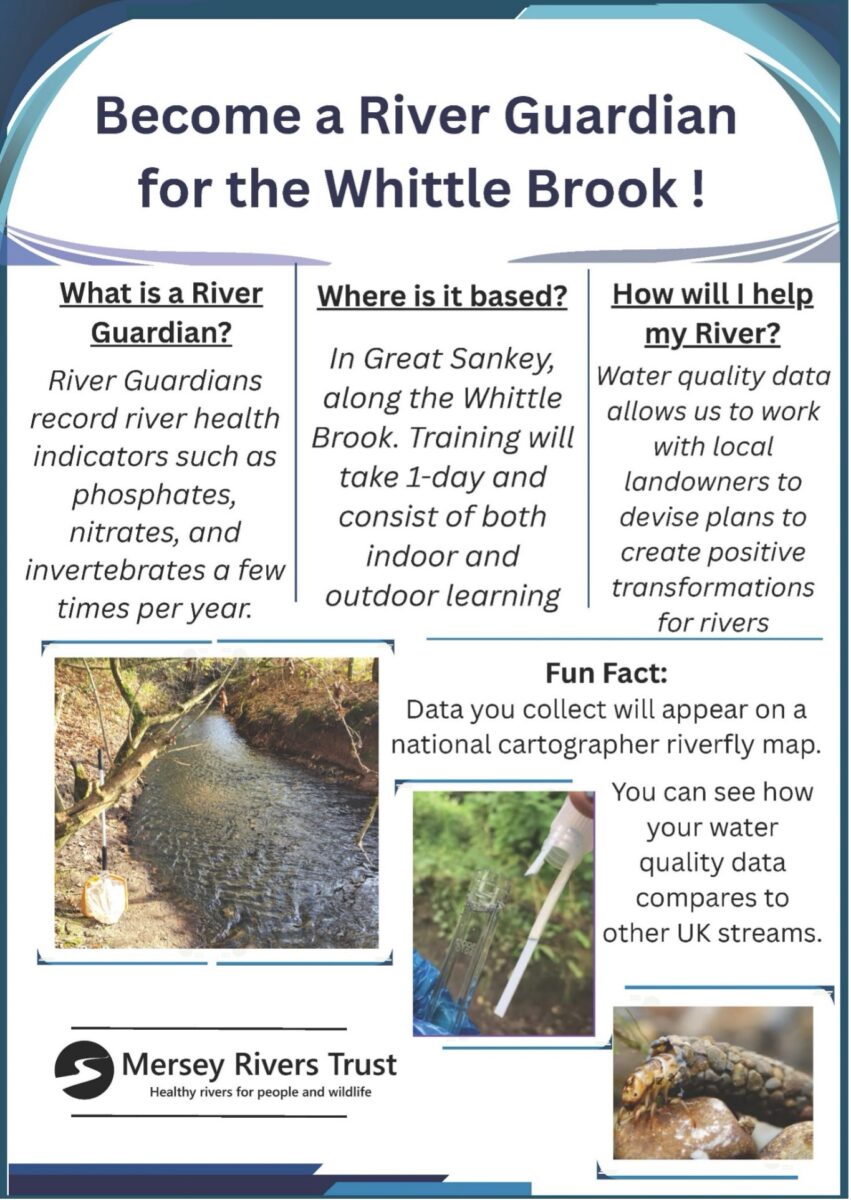
Become a River Guardian for the Whittle Brook!
What is a River Guardian? River Guardians record river health indicators such as phosphates, nitrates, and invertebrates a few times per year.
Where is it based? In Great Sankey, along the Whittle Brook. Training will take one day and consist of both indoor and outdoor learning.
How will it help my river? Water quality data allows us to work with local landowners to devise plans to create positive transformations for rivers.
Fun Fact: Data you collect will appear on a national cartographer riverfly map. You can see how your water quality data compares to other UK streams.
Please email Ryan Teare using “Whittle River Guardian” as the reference to register your interest.
This opportunity ends on Friday 11th July 2025 or when the 10 spaces are filled. All kit will be provided free of cost.
The Mersey Tidal Barrage:
What’s at stake for nature and the climate?
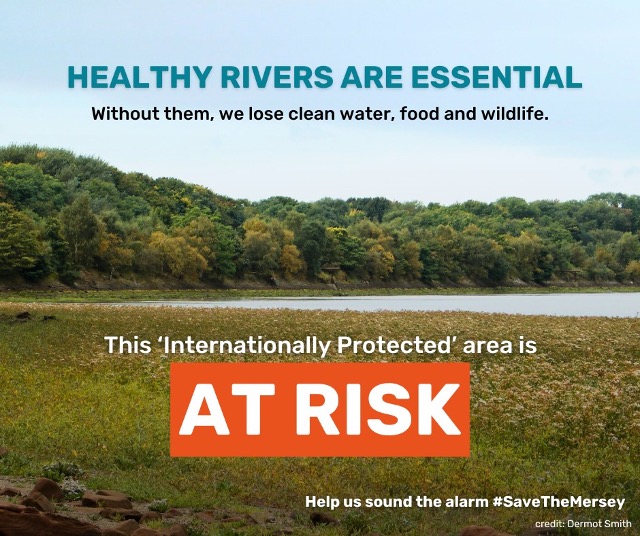
Cheshire Wildlife Trust and Lancashire Wildlife Trust have joined forces to campaign against the proposed Mersey Barrage. The Mersey and Dee Estuaries are so closely linked and what happens on the Mersey will affect the Dee, so we are featuring their work in this month’s newsletter as they have some exciting things coming up for you to get involved in. Check out Cheshire Wildlife Trust and Lancashire Wildlife Trust websites for more information.

Cheshire Wildlife Trust Campaigner Academy
Community movements can have a huge impact on nature. When enough people speak up about an issue, local leaders start to take notice.
Our spring campaigner academy will train you in building a movement around an issue that matters to your community. Whether you want to champion rewilding, protect Local Wildlife Sites or help struggling species, our short course will show you how to create a grassroots campaign.
Our five online workshops will cover:
- Planning a grassroots campaign
- Using petitions to rally support
- Creating an inspiring movement
- Communicating your cause
- Influencing political leaders.
Sessions will run on Wednesdays at 6:15pm from Wednesday 18th June 2025. No prior experience or knowledge is required, just a willingness to learn and a love of nature!
Photo Credits: Robin Rowe, Our Dee Estuary, Cheshire Wildlife Trust, Mersey Rivers Trust, Rachel Bradshaw, Welsh Dee Trust, Eni UK Ltd and Presthaven Sands.


