
May 2023
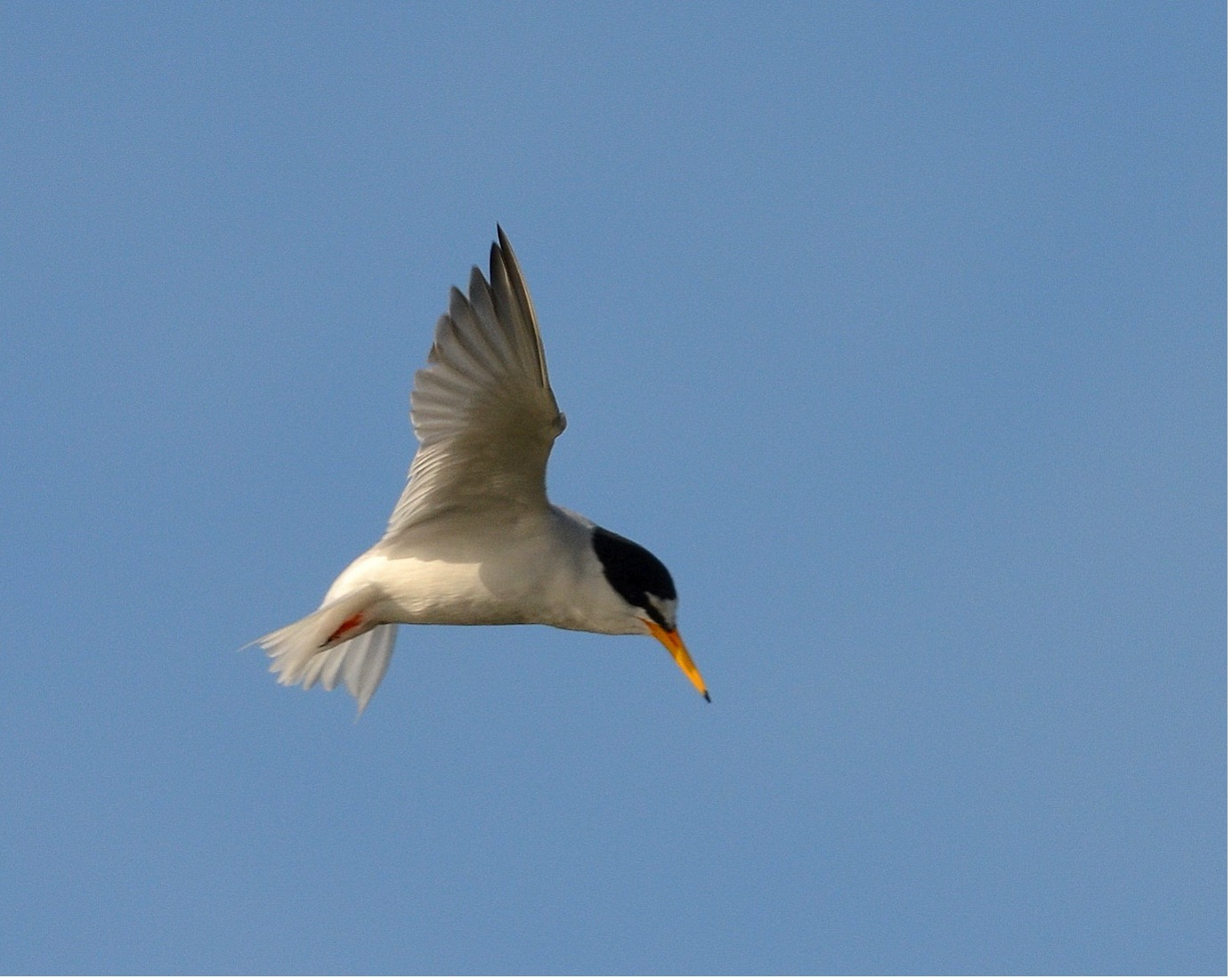
MEET THE LITTLE TERN
The Little Tern is the smallest tern species that can be found in the UK. Around 1,375 pairs visit our shores to breed each year, around 75% of these will head towards the English coastline.
At one time the only breeding colony to be found in Wales was at Gronant in Denbighshire at the mouth of the Dee Estuary. Through the hard work and dedication of RSPB staff and wardens alongside volunteers from groups such as the North Wales Little Tern Group the colony has grown and the number of breeding pairs has more than tripled since the 1980’s.
New breeding colonies have since been established at Point of Ayr and Kinmel Bay with fencing erected each year to protect breeding birds, creating secure environments on the shingle beaches where they nest and rear their chicks on the ground. Wardens are on site throughout the season to monitor birds and ensure that they continue to thrive in Wales.
SYKES COTTAGES RETURN TO RED ROCKS NATURE RESERVE
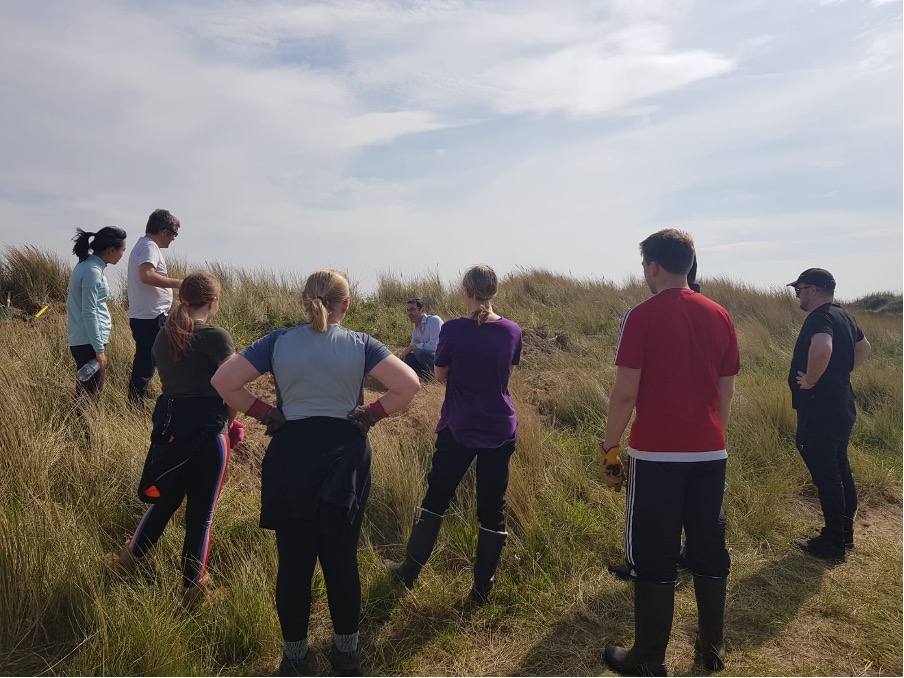
On the 4th of May a group of 8 keen volunteers from the Syke’s Cottages, Chester team joined us in a workday at Red Rocks Nature Reserve on the Wirral.
Our Conservation and Volunteering Officer, Matt, spoke to the group about the sand dune mobilisation that we would be doing. The aim of remobilisation of sand dunes is not to create desert-like conditions, but to encourage dynamic processes that have been halted through uncontrolled vegetation growth and over stabilisation.
The plan was to remove large patches of really dense and long grasses on the seaward slopes of the dunes to form a mosaic of sandy and vegetated patches, to allow early successional flora species to colonise and sand to become more mobile. This replicates the action of large grazing species which would have once roamed our coastlines. Digging out shallow craters in the dunes also creates perfect sheltered habitat for many of the invertebrates that live on the dunes.
The team got stuck in with mattocks, rakes and shovels to clear vegetation and create a string of bare sand patches along a section of the dune slacks. The volunteers showed great enthusiasm and energy, creating the spaces in record time. Very soon we were seeing sand flies moving in and utilising the newly revealed sandy areas. These will provide an important food source for reptiles and amphibians living in the dunes, including the Natterjack toad which is monitored on site by Matt and his citizen science volunteers.
The next step for these areas is to kickstart the recolonisation of the bare dune slacks with Sea-holly, an important nectar rich source of food for butterflies and other nectar feeding invertebrates. Keep an eye out for our next newsletter to hear more about this work!
WATER QUALITY TESTING
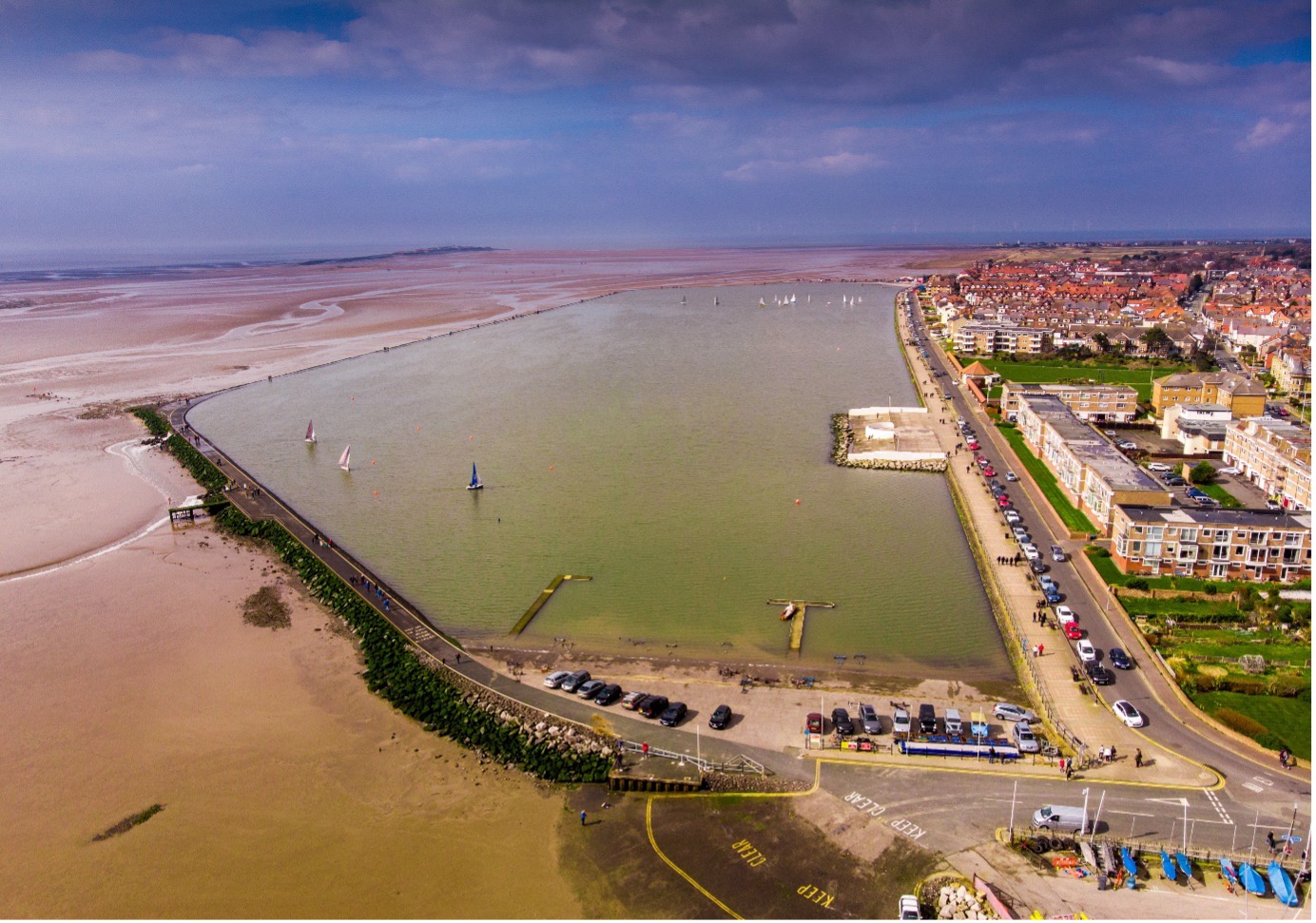
Our citizen science volunteers have joined a citizen science initiative to monitor water quality throughout the River Dee catchment from the headwaters above Bala, out to the open sea. Our volunteers are studying the many tiny streams and outfalls that flow directly into the estuary from the hills of Flintshire and from the Wirral.
Monthly tests for turbidity and phosphate levels are uploaded by volunteers to a publicly accessible database hosted by the Welsh Dee Trust as part of the “It Shouldn’t Be in the Dee” project. The data is analysed at 6 monthly intervals. Watercourses with pollution can be targeted for further analysis whilst clean watercourses are tested less frequently just to check they stay in good condition.
Initial results have shown higher levels of pollution close to urban and industrial areas, but we need more data to build a more robust picture of any issues. Results will be shared with project partners including the utility companies and statutory bodies such as the Environment Agency and Cyfoeth Naturiol Cymru Natural Resources Wales to collaborate on resolving issues and making our water healthier for people and wildlife.

HISTORY AND NATURAL HERITAGE OF THE DEE ESTUARY
Emily, our Communications and Campaigns Officer, is getting more and more interesting information coming in from her History and Natural Heritage volunteers.
Check out some of the highlights below. We will also be sharing content on social media so follow us for more history and heritage!

Hen Blas Castle
Hidden away from public view in some farmland on the outskirts of Bagillt and a couple of miles from the River Dee, are the remains of a castle that may have played a significant role in Welsh History.
The precise history of the site is still emerging. The prevailing theory today is that this it was originally called Dinas Basi and was where King Cenwulf of Mercia died in 821. Its subsequent history is thought to have involved many Welsh Princes, most notably Owain Gwynedd who was responsible for its destruction in 1166.
Although it was then rebuilt it finally fell into ruin around 1300. There are also suggestions that this was the site of the lost castle of Basingwerk.
Foel Nant
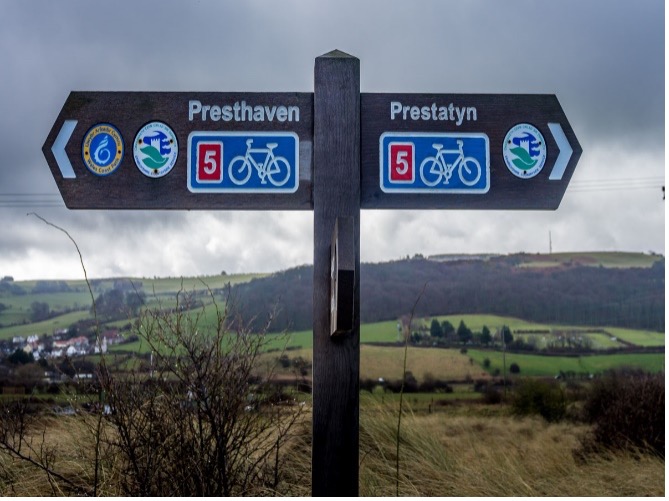
Perched on the grassy slopes between Prestatyn and Gronant is the Grade II listed Foelnant Telegraphy Station. It was built in 1841 by the Trustees of the Liverpool Docks and was one of a series of nine Semaphore relay stations along the North Wales coast that allowed contact to be maintained with shipping.
Being semaphore and therefore visual the system relied on good visibility and could be subject to delays in signalling. By 1860 it had largely been replaced by electronic telegraphy although it was retained until 1879 as backup.
The building itself is single story with a slate roof and was able to accommodate the equipment and its operators. Today it is unused and the responsibility of Cadw, the Welsh Government’s historic environment service.
Photo Credits: Adam Jones, Hannah Fox, Paul Steele – Bald Hiker.


