
October 2022

THE WELSH COASTAL PATH
There is so much to explore on the Welsh side of the Dee Estuary, and you can see it all using the Welsh Coastal Path. A must see is Flint Castle, a fascinating glimpse into the history of the area dating back to 1277.
Greenfield is a hub for both history and nature lovers, with the Greenfield Valley Heritage Park, Greenfield Dock and views out onto the estuary, then back slightly inland for Basingwerk Abbey.
You can stop at multiple beauty spots along the path, such as Bagillt, and catch a bus back to Flint which makes this section of the coast path suitable for varying levels of fitness and ability. Further up the coast are yet more gems such as Talacre Dunes and Point of Ayr with its stunning lighthouse and fascinating bird life.

RAPTORS ON THE ESTUARY
Parkgate is well known by local birders as one of the best places on the estuary to see birds of prey. The vast expanse of open saltmarsh is the perfect hunting ground for a range of raptors. In winter, highlights include hen harriers, marsh harriers, short-eared owls, barn owls, merlins, and kestrels.
Hightide at Parkgate provides a spectacle, as water floods the saltmarsh it forces wildlife ashore, and draws in birds of prey looking for an easy meal. Look out for tides over 10m and head over to the old baths car park for the best view.
RSPB are bringing Raptor Watch back to Parkgate this November, with friendly guides on hand to help, it’s a great time to hone your bird ID skills!
OUR WORK IN WALES
We really enjoy collaborating with the rangers from Flintshire and Denbighshire County Councils on practical conservation tasks. Autumn/ winter will be a key time for this work as we prepare the Natterjack ponds for next spring’s breeding season, as well as the ongoing removal of invasive plant species from key wildlife habitats.
North Wales Wildlife Trust manage the beautiful Big Pool Wood Nature Reserve on the estuary and also run a great range of events which are well worth a look!
RSPB Dee Estuary might have their headquarters at Burton Mere however their work at Point of Ayr in Wales, particularly with the Little Tern colony is impressive. A record breaking 39 pairs of Little Terns, produced 81 eggs in 34 successful nests and 69 chicks fledged.

WATERWAYS WORKSHOP
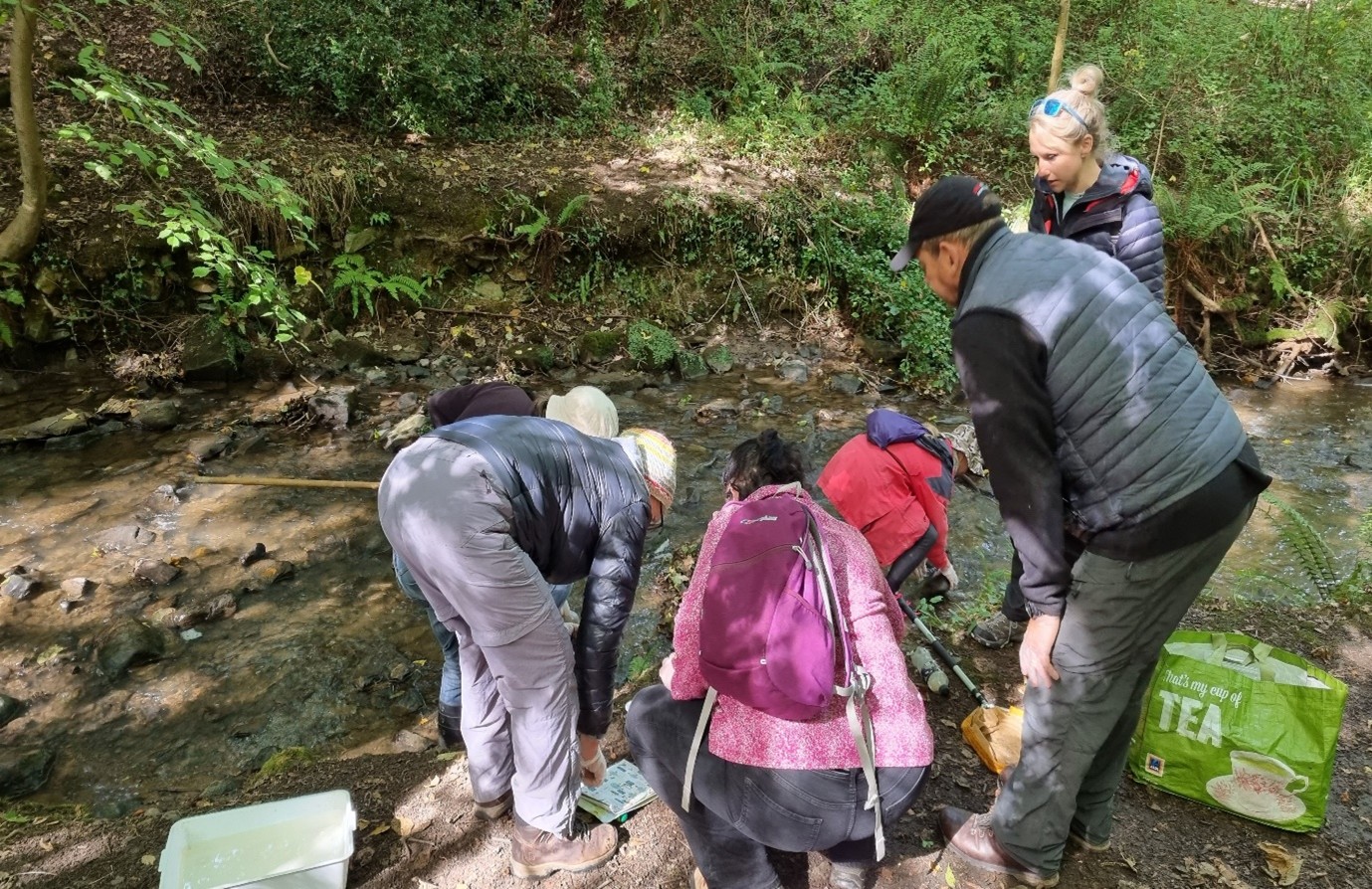
On the 17th September we held our first Waterways Workshop with Pete Attwood from Groundwork CLM. We learnt how to conduct a walk over survey, looking out for outfalls and other possible sources of pollution. We collected water samples and tested water quality, carrying out tests for dissolved oxygen, nitrites, phosphates and more!
Look out for more opportunities to get involved in citizen science on our website.
Photo Credits: Robin Rowe, Charley Dutton, Paul Steele


